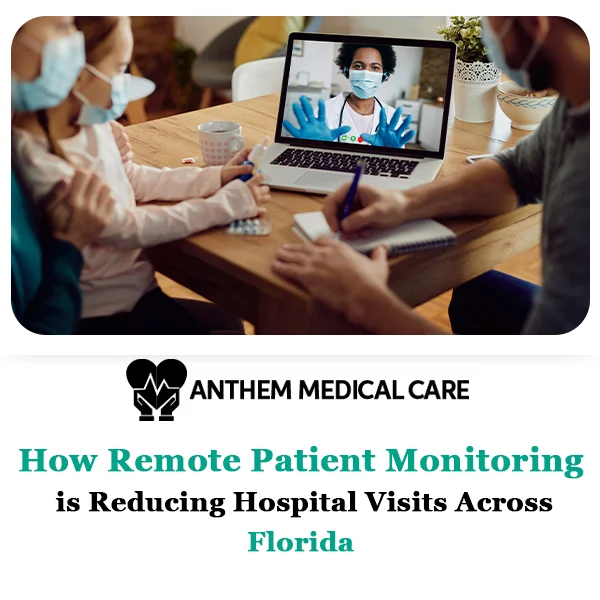
Florida is known for its sunshine and its retirees. But it is also becoming known for something else: a revolution in healthcare.
For decades, the model was simple. You got sick. You went to the hospital. You went home. If you got sick again, you went back. This revolving door was exhausting for patients and expensive for the state.
But that is changing. A new trend in technology is disrupting the cycle. This is known as remote patient monitoring (RPM), and it is transforming care delivery in Miami to the Panhandle.
Remote patient monitoring in Florida is not a mere trend. It is a lifeline. It enables physicians to monitor the health of a patient and the client never goes to their living room. The result? Less emergency room visits and more healthy communities.
What exactly is remote patient monitoring?
It sounds complex, but it’s not.
RPM involves the application of digital technology to relay health information of a patient to the physician.
Suppose a heart-failing patient. Previously, they were visiting the doctor once a month only. A lot can go wrong in 30 days. Fluids can build up. Blood pressure can spike. When they get irritable enough to request assistance it is often too late. They have to go to the ER.
With RPM, that same patient steps on a smart scale every morning. They put on a blood pressure cuff. The device automatically sends the numbers to a care team.
If the numbers look bad, a nurse gets an alert. They call the patient immediately. They might adjust medication or recommend a diet change. They catch the problem while it is small.
This proactive approach is why remote patient monitoring in Florida is growing so fast. It turns healthcare from a reactive scramble into a steady conversation.
Why is Florida leading the charge?
The population in Florida is unique. The seniors are numerous. There are also a lot of individuals who are residing in rural areas which are miles away to the nearest large hospital.
The combination of these two causes a storm. Seniors are prone to such chronic conditions as diabetes, COPD, or hypertension. Such conditions are to be put under constant management. To a person in a small town, it is difficult to take an hour of travel to visit a specialist. So, they often skip visits.
Remote patient monitoring in Florida bridges this gap. It brings the doctor to the patient.
Major health systems like Tampa General Hospital and Lee Health are betting big on this. They have launched “Hospital at Home” programs. These programs use RPM to treat patients in their own beds instead of a hospital ward.
The results are stunning. Lee Health, for example, reported a massive drop in hospital readmissions for patients in their program. This proves that remote patient monitoring in Florida is effective.
Which conditions are being treated?
Not every illness needs daily tracking. But for chronic diseases, it is a game-changer.
- Heart Failure: This is the most common use. Tracking weight daily helps spot fluid retention early.
- Hypertension: High blood pressure is a silent killer. Daily readings give a true picture of heart health, not just a snapshot from a stressful office visit.
- Diabetes: Smart glucose monitors send real-time blood sugar data. This helps prevent dangerous lows and highs.
- COPD: Pulse oximeters track oxygen levels. This helps patients with lung disease breathe easier knowing they are being watched.
By focusing on these high-risk groups, remote patient monitoring in Florida targets the main drivers of hospital admissions.
Is the technology hard to use?
This is the most common question patients ask. “I am not good with computers. Can I do this?”
The answer is yes. The companies building these tools know their audience.
Most devices are “plug and play.” You do not need WiFi. You do not need a smartphone. The blood pressure cuff often has a cellular chip inside, just like a phone. You put it on, press one button, and it works. It sends the data automatically.
This simplicity is key. If it were hard, no one would do it. The success of remote patient monitoring in Florida depends on it being invisible. It should fit into a morning routine like brushing teeth.
How does this save money?
Healthcare is expensive. Hospital stays are the biggest cost of all.
A single day in a Florida hospital can cost thousands of dollars. If a patient avoids a three-day stay because a nurse caught a blood pressure spike early, that is a huge saving.
It saves money for the insurance company. It saves money for the hospital, which faces penalties for too many readmissions. And most importantly, it saves the patient from copays and lost time.
The economic case for remote patient monitoring in Florida is undeniable. It is one of the rare times where better care actually costs less.
What do patients say about it?
Statistics are great, but feelings matter more. How does it feel to be monitored?
Some worry it feels like “Big Brother” is watching. But most patients report the opposite. They feel safe.
Living with a chronic illness is scary. You worry that every ache or pain is a sign of danger. knowing a nurse is checking your numbers every day brings peace of mind. It takes the burden of worry off the patient’s shoulders.
Families love it too. A daughter living in New York can know her father in Orlando is stable because his remote patient monitoring in Florida team is on the job.
Is this the future of medicine?
We are just getting started.
As sensors get smaller and better, we will track more things. We might track sleep quality or hydration levels. Artificial intelligence will help predict problems weeks in advance.
But the core goal will remain the same. It is about keeping people healthy at home.
The expansion of remote patient monitoring in Florida is a blueprint for the rest of the country. It shows that with the right tools, we can fix the broken parts of our healthcare system.
We are moving away from “sick care” and toward true “health care.”
How can you access these programs?
If you or a loved one has a chronic condition, ask your doctor.
Many primary care physicians in Florida are now partnering with RPM companies. Medicare and many private insurance plans often cover the cost.
Do not wait for the next emergency. Ask if remote patient monitoring in Florida is right for you. It might just keep you out of the hospital and back to enjoying the sunshine.
For more information on how these programs are structured, you can read about Lee Health’s innovative approach to home care.
The adoption of remote patient monitoring in Florida is a win for everyone. It is time to embrace the future of health.
Learn more about our flexible health services and contact us today.